How to Avoid Extra Charges When Hiring a Skip Bin in Sydney
Hiring a skip bin is one of the easiest ways to manage waste from home clean-ups, renovations, landscaping projects, or commercial jobs. It keeps your site tidy, prevents unnecessary trips to the tip, and provides a convenient way to dispose of waste materials.
Hiring a skip bin is usually simple, but unexpected expenses can sometimes arise. These extra costs typically occur because of basic misunderstandings about what can go into a bin, how long it can be kept, or what size is needed for the job.
The good news is that most extra expenses are easy to avoid with a little planning. Knowing what to expect before your skip bin arrives will help you stay on budget and make the entire process easier from start to finish.
Whether you’re tackling a weekend clean-up or managing a larger construction project, these practical tips will help you get the most value from your Bin Hire in Sydney service.
Understand What You’re Throwing Away
One of the most common reasons people receive additional charges is placing the wrong materials in the skip bin.
Different waste types often require different disposal methods. Mixing prohibited or specialised materials with general waste may result in sorting fees or additional disposal costs.
Before booking your skip bin, make a list of the waste you plan to dispose of.
Common household waste may include:
- Old furniture
- Clothing
- Cardboard boxes
- Toys
- Broken household items
- General rubbish
Green waste may include:
- Grass clippings
- Leaves
- Branches
- Shrubs
- Small tree cuttings
Construction waste may include:
- Timber
- Concrete
- Bricks
- Tiles
- Plasterboard
- Metal offcuts
If you’re unsure about any item, it’s always worth asking before loading the bin. A quick phone call can prevent unnecessary costs later.
Choose the Right Skip Bin Size
Hiring a bin that’s too small is another common mistake.
Many people underestimate how much waste their project will generate. Once the bin is full, they may need to order another skip bin, which increases the overall cost.
On the other hand, choosing a much larger bin than necessary may mean paying for space you don’t use.
Before booking, consider:
- The type of project
- The amount of waste likely to be produced
- Whether bulky items, such as furniture or mattresses, are included
- Whether renovations may generate more waste than expected
Experienced skip bin providers can usually recommend an appropriate size based on your project description.
Getting the size right from the beginning is often one of the easiest ways to avoid unnecessary expenses.
Don’t Overfill the Skip Bin
Each skip bin has a maximum fill level.
It can be tempting to pile waste above the rim, especially when you are trying to fit a few more items in. However, if the bin is overfilled, it may not be collected until the excess waste has been removed.
For safe transportation, waste should remain below the top edge of the container. Overfilled bins can create safety risks while being transported.
To avoid problems:
- Break down bulky furniture where possible
- Flatten cardboard boxes
- Cut long branches into smaller pieces
- Spread waste evenly throughout the bin
- Avoid piling materials above the rim
Packing the bin efficiently often allows you to fit more waste without exceeding the safe loading limit.
Know Which Items Require Special Disposal
Some materials cannot be placed in standard skip bins because they require specialised handling or recycling.
These may include:
- Asbestos
- Chemicals
- Paint
- Gas bottles
- Batteries
- Tyres
- Oils
- Hazardous liquids
These items may be regulated for environmental and safety reasons.
If your project involves potentially hazardous materials, speak with your skip bin provider before booking. They can explain the appropriate disposal options and help you avoid unexpected charges.
Understand Your Hire Period
Many people focus on the price of the skip bin without considering how long they can keep it.
The standard hire period is often suitable for an average residential project, but larger renovations or commercial jobs may require additional time.
Extra daily charges may apply if the container remains on-site longer than the agreed hire period.
Before confirming your booking, ask:
- How many days are included?
- Can the hire period be extended?
- What happens if delays occur?
- Is there a daily extension fee?
Knowing these details in advance makes it easier to schedule your project and avoid unnecessary costs.
Check Whether You Need a Council Permit
Where your skip bin will be placed can also affect the overall cost.
If the bin is positioned entirely on private property, such as a driveway, a council permit may not be required. However, requirements can vary depending on the location.
If the skip bin needs to be placed on a public road, nature strip, or other council-managed land, a permit may be required under your local council’s regulations.
Before delivery, consider:
- Is there enough space on your property?
- Will vehicles still have access?
- Could the placement affect pedestrians?
- Are council approvals required?
Planning the location early can help prevent delays and unexpected permit-related expenses.
Pack Your Skip Bin Efficiently
Loading the skip correctly not only maximises space but may also reduce the likelihood of needing a second bin.
Start by placing heavier items at the bottom. Position flat materials against the sides where possible, and use smaller items to fill gaps rather than leaving empty spaces.
Some practical loading tips include:
- Disassemble furniture before disposal
- Stack timber neatly
- Flatten cardboard boxes
- Cut branches into manageable lengths
- Distribute weight evenly
A well-packed skip bin often holds far more than people expect.
Separate Recyclable Materials Where Possible
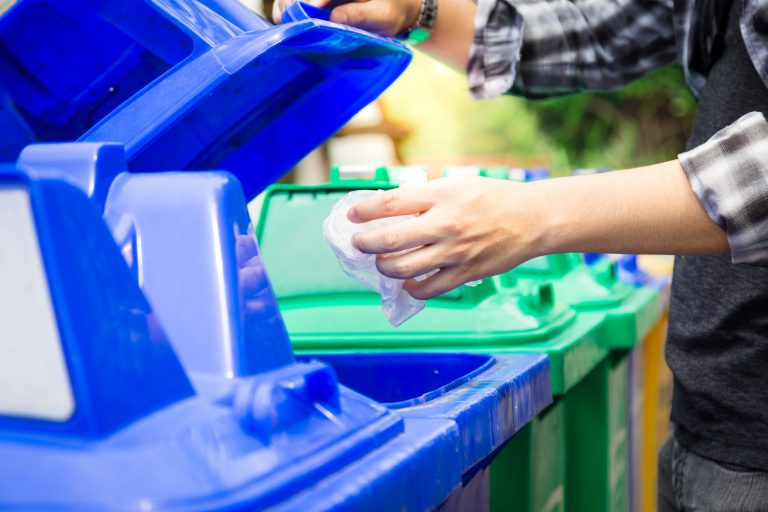
Many waste materials can be recycled instead of being sent directly to landfill.
Separating recyclable items before loading the skip may simplify waste disposal while supporting more sustainable waste management practices.
Items that are commonly recycled include:
- Cardboard
- Paper
- Metals
- Clean timber
- Green waste
- Some plastics
If your project generates a large amount of recyclable material, ask whether separate bins or disposal options are available.
This may simplify the disposal process while helping to reduce the amount of waste sent to landfill.
Compare More Than Just the Price
It’s natural to compare quotes when arranging Bin Hire in Sydney, but the cheapest option isn’t always the best value.
A lower advertised price may not include:
- Delivery
- Collection
- Waste disposal
- GST
- Extended hire
- Weight allowances
Instead of focusing only on the initial quote, ask for a clear breakdown of what is included.
Questions worth asking include:
- Are delivery and collection included?
- Is there a weight limit?
- Are there extra charges for certain waste types?
- How long is the hire period?
- Are permits included if required?
Understanding the complete pricing structure helps you make a more informed decision and reduces the likelihood of unexpected costs.
Book with an Experienced Local Provider
Working with an experienced local company can make the entire process easier.
Local providers are familiar with Sydney council requirements, delivery logistics, and common waste disposal guidelines.
They can also recommend an appropriate skip bin size, explain what can be disposed of, and answer questions before your booking is confirmed.
Being clear about your requirements from the beginning can help prevent misunderstandings that may lead to additional charges later.
With an experienced provider, you have someone to guide you through the process instead of having to figure everything out yourself.
Plan Your Clean-Up Before Delivery
A little preparation before your skip bin arrives can save both time and money.
Instead of loading waste as you find it, spend some time organising your project beforehand.
You could:
- Sort waste into categories
- Separate recyclable materials
- Break down large furniture
- Move heavy items closer to the loading area
- Decide what will and won’t go into the bin
Being organised means the skip bin can be loaded more efficiently, reducing the chance of overfilling it or needing to order an additional bin.
It can also help your project stay on schedule, particularly if you’re working within a set hire period.
Need Reliable Skip Bin Hire?
Choosing the right skip bin doesn’t have to be complicated. At Northern Beaches Skip Bins, we’re here to make the process simple with honest advice, reliable service, and a wide range of bin sizes to suit everything from household clean-ups to construction projects.
Our friendly team can help you choose the right bin, explain what can be disposed of, and answer any questions before your booking. If you’re looking for dependable Bin Hire in Sydney, we can help make your waste removal experience straightforward from start to finish.
Call us today at 0418 153 558 to arrange reliable skip bin hire across Sydney.